Why Are Heritage Trees Important in Cheltenham?
Heritage trees Cheltenham are mature specimens formally recognized for their exceptional age, rarity, or connection to the area’s history. These living monuments typically exceed 100 years old and often stand as silent witnesses to the suburb’s evolution from rural settlement to established community.
The Significance of Heritage Trees
The significance of historical trees extends far beyond their impressive stature. Many of these specimens represent rare or declining species that once shaped the Victorian landscape. Some were planted during Cheltenham’s earliest development phases, forming green corridors that now define the suburb’s distinctive streetscapes. Their presence connects modern residents with earlier generations who contributed to the suburb’s identity—an important consideration for anyone seeking reliable tree services Cheltenham to maintain these living landmarks.
These heritage trees serve as anchors for heritage-listed streets and precincts, where their canopies frame period architecture and reinforce the historical character that makes Cheltenham unique. A Victorian-era home feels more authentic when complemented by trees from the same period. This interplay between built heritage and natural heritage strengthens the suburb’s irreplaceable sense of place—another reason why expert tree services Cheltenham are essential for preserving its charm and cultural continuity.
The Environmental Benefits of Mature Trees
The environmental significance of mature trees cannot be replicated by young plantings:
- Carbon sequestration: A single heritage tree absorbs significantly more CO2 than multiple younger trees combined
- Urban cooling: Established canopies reduce street temperatures by up to 5 degrees during summer months
- Habitat provision: Hollow-bearing trees support native wildlife including possums, owls, and numerous bird species
- Stormwater management: Extensive root systems absorb thousands of litres during heavy rainfall events
The Cultural Value of Heritage Trees
The cultural value these trees provide strengthens community identity. Residents often form emotional attachments to landmark trees that have stood throughout their lifetimes, creating shared reference points that bind neighborhoods together. This connection transforms trees from mere vegetation into valued community assets worth protecting through specialized care.
What Role Does an Arborist Play in Preserving Heritage Trees?
An arborist Cheltenham is the main protector of heritage trees. They have specialized knowledge to assess tree health, diagnose problems, and implement preservation strategies that regular landscapers cannot offer. These experts understand the specific needs of ancient trees and use their arboricultural skills to prolong their life while keeping them structurally sound.
Specialized Challenges Requiring Professional Intervention
Older trees have unique issues that require professional help:
- Structural weaknesses caused by years of growth patterns and past storm damage
- Root system degradation in compacted urban soils with limited nutrients
- Species-specific vulnerabilities to pests and diseases that worsen as the tree ages
- Declining vigor needing careful intervention to promote healthy growth without causing stress
Heritage trees often belong to rare or uncommon species that are not commonly planted anymore. This means that if these trees are lost, they cannot be easily replaced. The expertise of tree care Cheltenham specialists becomes invaluable when dealing with these irreplaceable natural treasures.
Navigating Modern Urban Pressures
Urban development poses constant threats to established trees. Construction activities compact soil, cut roots, and change drainage patterns that mature trees rely on. Environmental stressors such as climate change, pollution, and fluctuating water levels further harm tree health. An arborist identifies these risks before they cause permanent damage.
Tailored Assessment and Management
Heritage tree maintenance requires customized approaches rather than one-size-fits-all treatments. Arborists conduct thorough health assessments looking at:
- Crown density and branch structure
- Bark condition and cambium vitality
- Root collar inspection for decay or girdling
- Soil composition and moisture levels
These evaluations guide personalized care plans that address each tree’s specific needs. The accuracy of professional assessment prevents well-meaning but harmful actions that could speed up decline in sensitive heritage specimens.
In addition to their primary role in maintaining tree health, arborists also play a crucial part in sustainable tree stewardship. This involves not only caring for individual trees but also managing entire landscapes in a way that promotes ecological balance and sustainability.
Moreover, the research-backed practices that arborists employ ensure that their interventions are effective and beneficial for the long-term health of heritage trees.
How Do Arborists Protect Heritage Trees During Construction Projects?
1. Establishing Exclusion Zones
Arborist construction protection begins with establishing clear exclusion zones around heritage trees before any work commences. These zones, typically calculated based on the tree’s canopy spread and root system extent, create physical barriers that prevent machinery, material storage, and foot traffic from compacting soil or damaging critical root structures. An arborist in Cheltenham maps these protected areas using precise measurements, often extending the zone 12 times the trunk diameter to ensure comprehensive coverage.
2. Specialized Techniques for Root System Protection
Root system protection requires specialized techniques during major infrastructure works. During level crossing removal projects, arborists implement several safeguarding methods:
- Installing protective fencing at the drip line or beyond
- Using ground protection mats to distribute weight and prevent soil compaction
- Monitoring excavation work to avoid severing major roots
- Employing air spading techniques when digging near root zones
- Specifying hand-digging requirements within critical root areas
3. The Role of Arborists as Advisors
The arborist acts as the primary advisor throughout construction phases, translating tree biology into practical site management protocols. They conduct pre-construction assessments documenting existing tree health, photograph root systems exposed during careful excavation, and provide daily oversight during high-risk activities. This vigilance ensures contractors understand which areas remain absolutely off-limits and which permit limited access under strict conditions.
4. Ensuring Safe Work Practices
Safe work practices extend beyond physical barriers. Arborists specify acceptable construction methods, prohibit certain equipment within designated zones, and require modified techniques when standard procedures pose risks. They may mandate directional drilling beneath root systems rather than trenching or require specific times of year for pruning to minimize stress.
5. Regular Inspections for Issue Identification
Regular site inspections allow arborists to identify potential issues before they escalate, adjusting protection measures as construction progresses and ensuring exclusion zones remain intact until project completion.
What Ongoing Maintenance Do Arborists Provide for Heritage Trees?
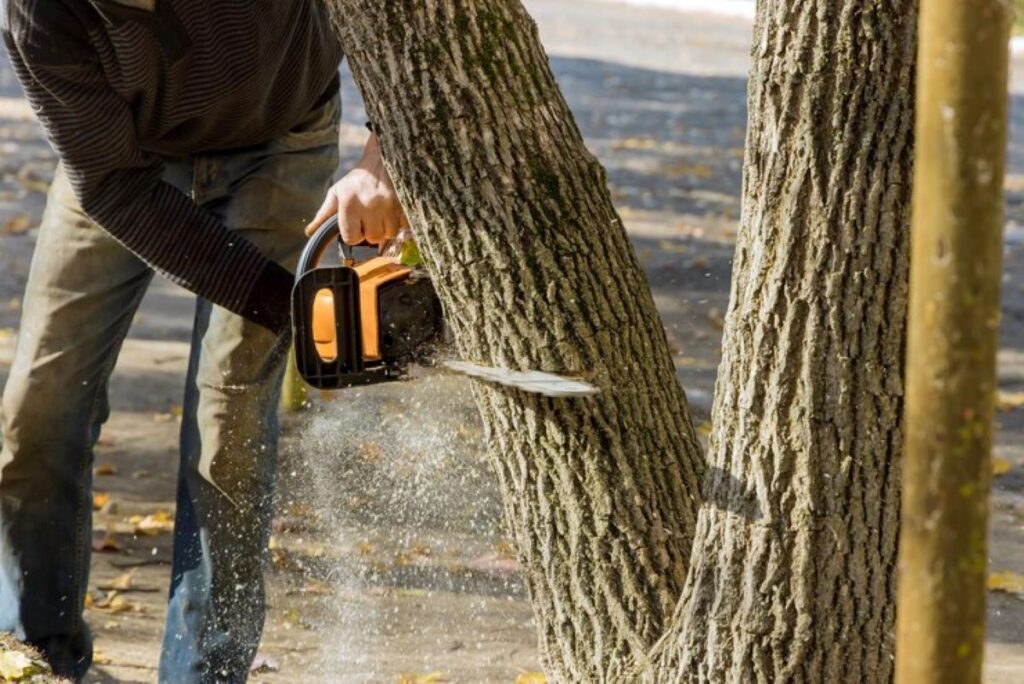
Tree pruning Cheltenham specialists implement specialized techniques that account for the unique structure and age of heritage specimens. These mature trees require selective crown reduction and deadwood removal rather than aggressive cutting, preserving their natural form while addressing safety concerns. Arborists time pruning interventions to minimize stress on older trees, often working during dormant seasons when wounds heal more effectively. For a comprehensive understanding of tree and palm maintenance, it’s essential to consider these specialized techniques.
Disease management becomes critical for heritage species that may have compromised immune systems due to age or environmental stress. Arborists conduct regular inspections to identify early signs of fungal infections, pest infestations, or bacterial diseases common to specific heritage varieties. They apply targeted treatments that protect the tree without harming its delicate biological balance, using methods like soil amendments to boost natural resistance or careful removal of infected branches to prevent spread.
Health assessments provide the foundation for all maintenance decisions. Qualified arborists examine:
- Structural integrity of limbs and trunk
- Root collar condition and soil compaction levels
- Canopy density and leaf vitality
- Signs of decay or cavity formation
These evaluations generate detailed reports that track changes over time, allowing arborists to adjust care strategies before minor issues escalate into threats. Regular monitoring ensures heritage trees maintain their vigor while contributing to Cheltenham’s historic streetscape character for future generations.
For further insights into street tree maintenance or city-specific tree management, it is advisable to refer to established manuals that provide detailed guidelines on the subject.
Other Resources : Protecting trees on development sites: A guide for developers
How Do Arborists Balance Urban Development With Conservation Efforts?
Urban development Cheltenham requires careful planning when heritage trees stand in the path of progress. Arborists serve as mediators between growth and preservation, ensuring tree conservation remains central to city planning decisions. They work directly with developers, councils, and planners from the earliest design stages to identify which trees can be retained and how construction can adapt around them.
Sustainable tree management strategies include:
- Creating Tree Protection Zones (TPZ) that establish no-go areas for machinery and materials storage
- Recommending alternative construction methods such as pier-and-beam foundations that avoid root disturbance
- Designing drainage systems that redirect water flow away from sensitive root zones
- Specifying permeable paving materials that allow continued oxygen and water penetration to roots
The recent level crossing removal projects in Cheltenham demonstrate this balance in action. Arborists mapped root systems of heritage elms and plane trees, allowing engineers to position new infrastructure without compromising tree health. Some projects incorporated root bridges—specialized structures that protect roots while allowing pedestrian access above.
Design modifications often prove more cost-effective than tree removal and replacement. A single mature heritage tree can take 80-100 years to replace, making preservation the practical choice. Arborists provide detailed reports showing how slight adjustments to building footprints or road alignments can save significant trees while still achieving development goals.
How Arborists Involve the Local Community in Heritage Tree Preservation
Arborists work with residents and local organizations to share the responsibility of protecting heritage trees. These partnerships turn passive onlookers into active participants who keep an eye on tree health, report any issues, and advocate for preservation during planning discussions.
Community involvement in Cheltenham takes multiple forms:
- Tree walks and identification tours that help residents recognize heritage specimens in their neighborhoods
- Workshops on proper tree care that teach homeowners how to support trees on private property adjacent to heritage streets
- Volunteer monitoring programs where trained community members conduct regular visual assessments
Educational initiatives raise public awareness about the irreplaceable nature of mature trees. Arborists present at council meetings, school programs, and neighborhood forums, explaining how heritage trees contribute to property values, air quality, and historical authenticity. They share case studies of trees that survived decades of urban change, connecting residents emotionally to these living landmarks.
Community stewardship programs establish long-term guardianship models. Residents adopt specific heritage trees, receiving training in basic health monitoring and early problem detection. This grassroots approach to sustainable management practices creates multiple sets of eyes watching over vulnerable trees, while arborists provide expert backup when specialized intervention becomes necessary. Local heritage groups often document tree histories, creating narratives that strengthen public commitment to preservation.
Conclusion
Arborist Cheltenham services are more than just regular tree maintenance—they’re protectors of the suburb’s natural heritage. Their knowledge guarantees that ancient trees continue to shape historic streets while adjusting to contemporary city challenges. Through thorough evaluations, strategic safeguarding during construction, and continuous health supervision, arborists offer concrete benefits that uphold both ecological standards and cultural identity.
The significance of an Arborist Cheltenham for streets with heritage trees becomes evident when we look at the delicate balance between development and conservation. These experts bring the technical expertise and practical approaches needed to ensure heritage trees flourish for years to come, preserving Cheltenham’s unique character even as the city inevitably changes.
More to Read : Tree Arborist Sydney Q&A: Your Top Questions About Pruning, Removal and Tree Health
