What Does a Tree Arborist in Sydney Do?
A tree arborist Sydney professional specializes in the care, maintenance, and management of trees on residential and commercial properties. These certified experts combine horticultural knowledge with practical skills to ensure trees remain healthy, safe, and compliant with local regulations.
Qualifications of Arborists in Sydney
Arborists in Sydney hold recognized qualifications—typically AQF Level 3 for working arborists who perform hands-on tasks, and AQF Level 5 for consulting arborists who prepare detailed assessments and reports for council submissions.
Services Offered by Arborist Services Sydney Providers
Tree arborist Sydney providers offer a comprehensive range of solutions:
- Health assessment: Evaluating tree condition, identifying diseases, pest infestations, and structural weaknesses that could pose risks
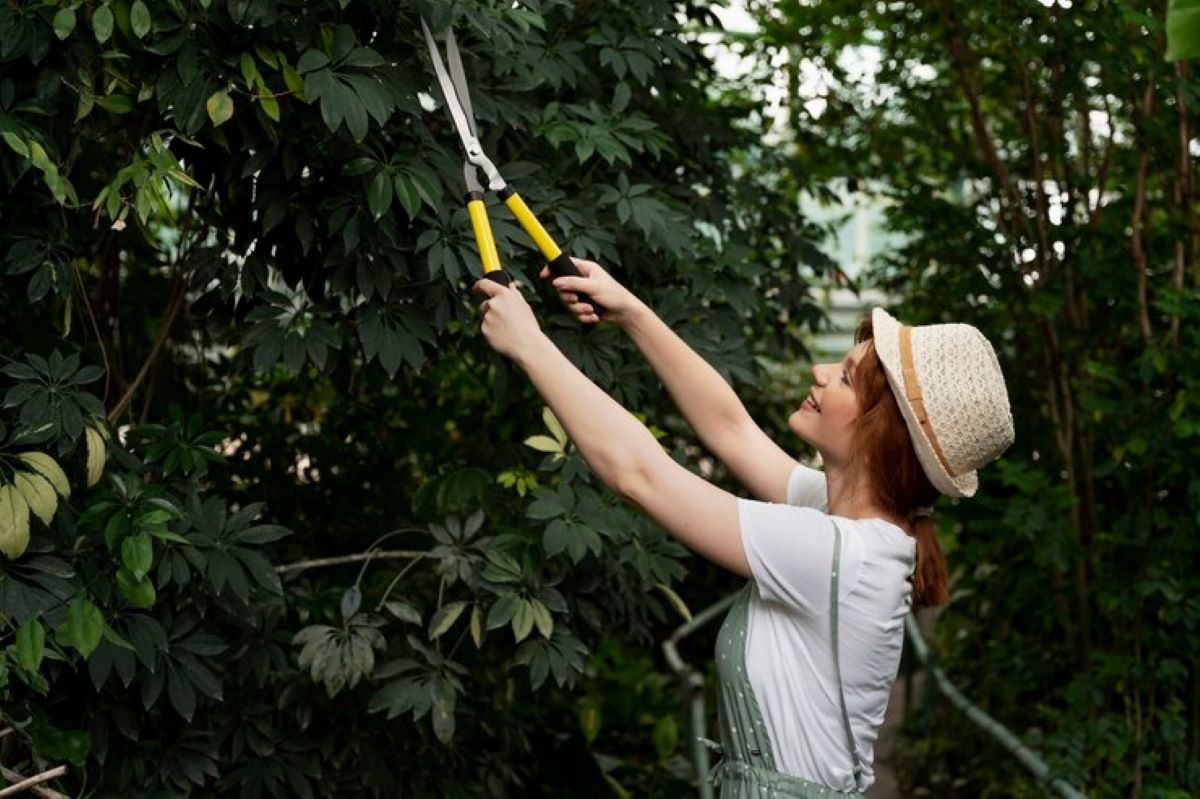
- Pruning: Removing dead, diseased, or overgrown branches using techniques that comply with Australian Standards AS 4373-2007 to promote healthy growth
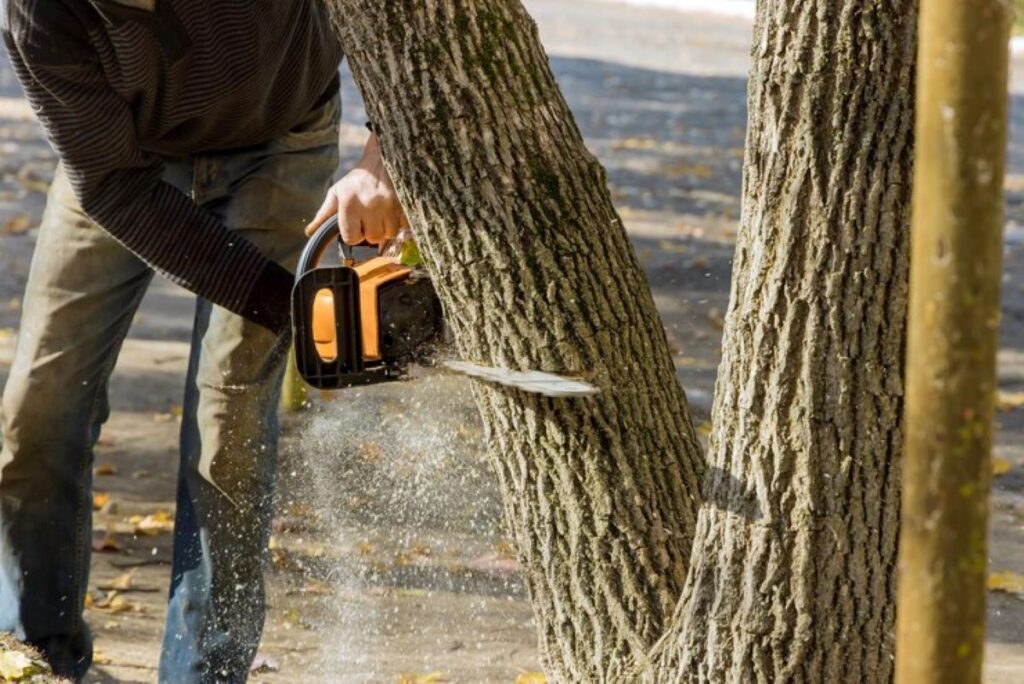
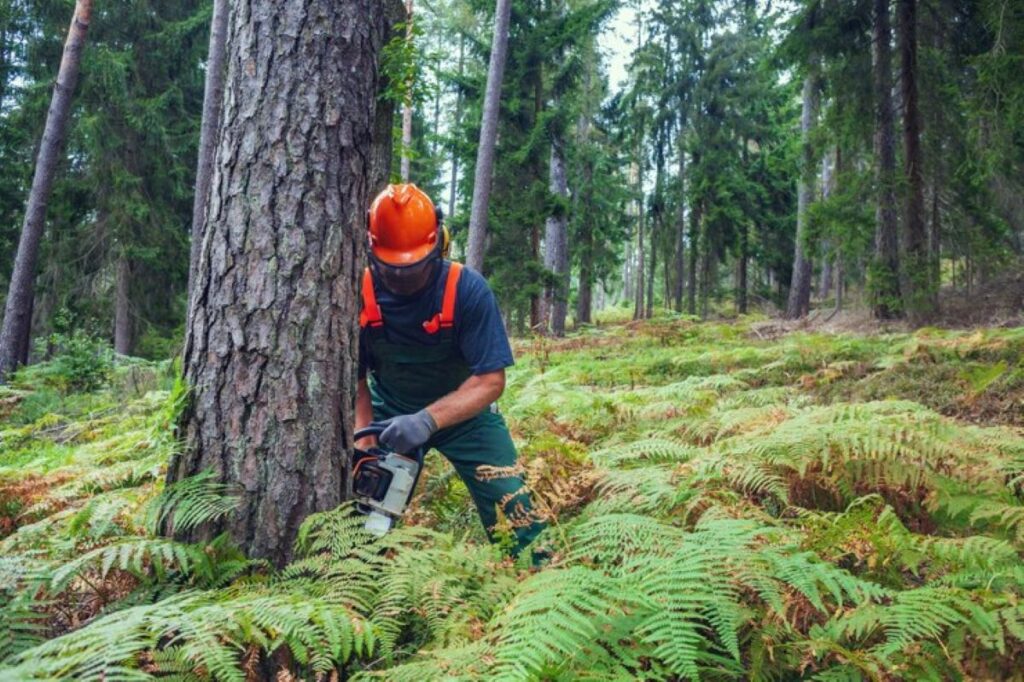
- Tree removal: Safely dismantling and removing trees that are dead, dying, or pose significant hazards to property and people
- Risk evaluation: Conducting thorough inspections using recognized methodologies to determine whether trees present immediate dangers
- Council compliance: Preparing arborist reports that meet local council requirements for permit applications
Why Hire a Professional Arborist?
Professional arborists carry appropriate insurance and use specialized equipment to perform tree work safely. They understand Sydney’s unique urban forest environment, balancing the preservation of valuable trees with property owner needs and public safety considerations. Their expertise ensures tree work is completed to industry standards while protecting the long-term health of Sydney’s urban canopy.
When Do Property Owners Need Council Consent for Tree Work in Sydney?
Most tree work on private property in Sydney requires council approval before you can begin. Local councils regulate tree management to protect urban canopy, native vegetation, and heritage-listed trees across the city.
You’ll need a tree removal permit or development application when:
- Removing any tree on private property, regardless of size (with limited exceptions)
- Pruning more than 10% of a tree’s canopy within a 12-month period
- Working on trees in heritage conservation areas
- Affecting trees protected under local environmental planning instruments
The type of permit depends on your property’s zoning and the tree’s characteristics. Standard tree permit applications suit most residential properties, while development applications apply to heritage conservation areas or properties with specific environmental overlays.
Council consent protects significant trees from unnecessary removal while allowing property owners to manage genuine risks. Applications typically require detailed information including arborist reports, site plans, and owner consent documentation. Processing takes approximately 28 days once councils receive complete submissions with required fees.
Are There Any Tree Work Activities That Don’t Require Permits in Sydney?
Yes, there are several exempt tree work Sydney activities that allow property owners to maintain trees without needing approval from the council. These exemptions are in place to ensure safety and basic upkeep while also protecting important vegetation.
Common exempt activities include:
- Canopy lifting: This involves clearing branches that are overhanging pathways or driveways.
- Pruning deadwood exemption: This applies when dead branches that do not provide a habitat for wildlife are being removed.
- Removing trees that are less than 5 meters tall.
- Pruning up to 10% of a tree’s canopy within a 12-month period, following the guidelines set by Australian Standard AS 4373-2007.
- Performing emergency work on trees that pose an immediate threat to people or property.
- Carrying out hazard reduction activities that have been authorized by fire services.
Property owners must ensure that any exempt work does not have an impact on:
- Native vegetation or habitats of threatened species.
- Heritage-listed trees or properties located in conservation areas.
- Trees that have visible nesting hollows or are known to be inhabited by wildlife.
Even if permits are not required, it is still important to hire a qualified arborist to carry out the work. This ensures that the job is done according to Australian Standards and does not unintentionally violate any environmental protection laws as outlined in the Ku-ring-gai Council’s DCP Section A Part 13 Tree and Veg Preservation. It is also worth noting that councils have the authority to investigate complaints about tree work if it appears to be exceeding the limits set by the exemptions.
How Do Arborists Assess Tree Health and Risk in Sydney?
Arborists assess tree health and risk in Sydney through systematic visual inspections and specialized diagnostic tools. This allows them to identify structural defects, diseases, and potential hazards.
Visual Inspections
The evaluation starts with a visual examination of the tree’s overall structure. Arborists look for signs such as:
- Cracks in the trunk
- Decay in major limbs
- Root damage
- Pest infestations
Specialized Diagnostic Tools
In addition to visual inspections, arborists also use specialized tools to gather more information about the tree’s condition. Some of these tools include:
- Resistograph testing: This technique measures the internal wood density of the tree, helping to locate any decay that may be present.
- Sonic tomography: By using sound waves, arborists can create cross-sectional images of the trunk to assess its integrity.
- Root collar excavation: This method involves exposing the root flare of the tree to check for girdling roots or decay.
Documenting Findings
Qualified consulting arborists document their findings in detailed reports. These reports include ratings of risk levels based on the likelihood of failure and potential consequences.
When creating these assessments, arborists take into account various factors such as:
- The proximity of the tree to buildings
- The location of pathways or power lines near the tree
This information is crucial for property owners as it helps them make informed decisions about any necessary interventions while also meeting council requirements for permit applications.
What Are the Key Steps Involved in Obtaining a Tree Permit in Sydney?
Obtaining a tree permit in Sydney involves several important steps that property owners must follow. This process is known as the council consent process and it requires property owners to gather specific documents and information.
Step 1: Gather Required Documentation
Before starting the application process, property owners need to collect the following documents:
- Completed application form from your local council
- Written consent from all property owners
- Professional arborist report (AQF Level 5 qualified)
- Site plans showing tree locations and measurements
- Photographs of the tree from multiple angles
- Payment of application fees (typically $150-$300 depending on council)
Step 2: Submit Your Application
Once you have all the necessary documents, you can submit your application. Property owners have two options for submitting their applications:
- Online: Many councils have an online portal where you can submit your application electronically.
- In person: You can also visit your local council office and submit your application directly.
Step 3: Council Assessment
After receiving your application, the council will review it to ensure that it meets all requirements. They will assess your submission against local development control plans and environmental protection policies.
Step 4: Processing Timeframe
The standard processing timeframe for tree permit applications is approximately 28 days. However, this may vary depending on the complexity of the case. If your application involves heritage trees or threatened species habitats, it may require additional time for review.
Step 5: Additional Information or Inspections
During the assessment process, councils may request additional information or site inspections if needed. This could include asking for more details about the proposed work or visiting the site to evaluate the impact on surrounding areas.
Step 6: Approval Decision
Once the council has completed their assessment, they will make a decision regarding your application. If approved, you will receive written confirmation along with any conditions that must be followed during the proposed work.
It’s important to note that obtaining a tree permit does not guarantee approval for other related permits such as development approvals or building permits. Each permit application is assessed independently based on its own merits.
When Should Property Owners Consider Tree Removal Over Pruning?
Tree removal becomes necessary when a tree poses significant safety risks or has deteriorated beyond recovery. Arborists evaluate several critical factors when advising property owners on tree removal vs pruning decisions in Sydney.
Hazard trees Sydney property owners should watch for include:
- Trees with structural defects such as large cracks, splits in major limbs, or decay in the trunk exceeding 50% of the diameter
- Root systems compromised by construction, soil compaction, or fungal infections causing instability
- Trees leaning more than 15 degrees toward structures or high-traffic areas
- Dead or dying trees with extensive canopy dieback (more than 50%)
- Species with invasive root systems damaging foundations, plumbing, or underground services
Pruning remains the preferred option when trees display:
- Localized deadwood or diseased branches that can be safely removed
- Overgrown canopies requiring shaping or clearance from buildings
- Minor structural issues correctable through targeted branch removal
- Overall healthy condition with manageable maintenance needs
Qualified arborists conduct thorough risk assessments using recognized methodologies to determine whether pruning can adequately address safety concerns. When structural integrity is compromised or the tree’s health cannot be restored through maintenance, removal protects people and property. Property owners should request detailed reports explaining the reasoning behind removal recommendations, particularly when seeking council permits for protected trees.
How Do Arborists Ensure Compliance with Environmental Protection Laws When Working on Trees in Sydney?
Arborists in Sydney must follow strict environmental protection regulations that are in place to protect:
- Native vegetation areas
- Heritage-listed trees
- Threatened species habitats
These laws require arborists to identify protected trees before starting any work and obtain the necessary approvals from local councils or state authorities.
Understanding Sydney’s Environmental Planning Policies
Sydney’s environmental planning policies have specific rules regarding the removal or pruning of native trees, especially those located in conservation zones or listed under heritage protection orders. Arborists need to verify if the trees they are working on are covered by the Biodiversity Conservation Act 2016, which protects threatened species and their habitats. If the trees provide nesting sites for protected wildlife, a specialized assessment will be required before any action is taken.
Additional Protection for Heritage-Listed Trees
Heritage-listed trees receive extra protection under local environmental plans. When working on these trees, arborists must:
- Submit detailed arborist reports showing minimal impact
- Provide photographic evidence of the tree’s condition
- Propose alternative solutions to removal whenever possible
- Coordinate with heritage advisors for significant trees
The Role of Qualified Arborists
Qualified arborists play a crucial role in ensuring compliance with environmental protection laws. They stay up-to-date with council-specific development control plans and state environmental planning policies. Through thorough site assessments, they identify any constraints such as riparian zones, bushland corridors, or significant tree registers. Documentation prepared by these professionals includes species identification, habitat assessments, and compliance statements confirming adherence to Tree Arborist Sydney Q&A: Your Top Questions About Pruning, Removal and Tree Health standards.
Consequences of Non-Compliance
It is important to note that failure to comply with these regulations can result in severe penalties, including hefty fines and legal action. This highlights the significance of hiring professional arborists for any tree work that requires legal compliance.

What Should Property Owners Know About Neighbour Disputes Over Trees in NSW?
Sydney councils do not resolve neighbour disputes trees NSW directly—these conflicts fall outside council jurisdiction and require alternative resolution pathways. Property owners facing disagreements about overhanging branches, root damage, or blocked views must pursue private resolution rather than expecting council intervention.
The Tree (Disputes Between Neighbours) Act 2006 provides the legal framework for addressing these conflicts through the Land and Environment Court of NSW. This legislation allows affected parties to apply for court orders regarding trees that:
- Cause damage to property or pose imminent danger
- Obstruct sunlight to windows or solar panels
- Interfere with television reception or views
Before pursuing legal action, property owners should attempt direct communication with neighbours or engage professional mediation services. Many disputes resolve through cooperative discussion about pruning schedules or cost-sharing arrangements. Arborists can provide independent assessments that help both parties understand tree health implications and reasonable management options, creating a foundation for negotiated solutions without court involvement. Click here to get why an Arborist Cheltenham is crucial for streets with heritage trees.
How Can Property Owners Choose the Right Arborist in Sydney for Their Tree Care Needs?
Selecting a qualified arborist protects both your property investment and tree health. Property owners should verify credentials, insurance coverage, and professional memberships before engaging any tree service provider.
Essential qualifications to look for:
- AQF Level 3 certification for working arborists performing hands-on pruning and removal
- AQF Level 5 certification for consulting arborists preparing detailed health assessments and council reports
- Current public liability insurance (minimum $10 million coverage recommended)
- Workers compensation insurance for all crew members
Reputable certified arborists NSW typically belong to professional bodies such as Arboriculture Australia or the International Society of Arboriculture. These memberships demonstrate ongoing professional development and adherence to industry standards.
When choosing an arborist Sydney, request multiple written quotes that detail:
- Specific work to be performed according to Australian Standard AS 4373-2007
- Timeframes for completion
- Cleanup and waste removal procedures
- Permit application assistance if required
Avoid contractors who recommend unnecessary tree removal or cannot provide proof of qualifications. Check online reviews and ask for references from previous clients with similar tree work needs.
A quality arborist will conduct a thorough site assessment before quoting, explain their recommended approach clearly, and answer questions about Tree Arborist Sydney Q&A: Your Top Questions About Pruning, Removal and Tree Health without pressuring immediate decisions.